BAKEL, Senegal – Three municipalities in the Bakel department have taken steps to strengthen local dialogue and collective action through the establishment of Municipal Consultation Frameworks (Cadres de Concertation Communale, or CCCs). The initiative was led by the Centre for Action for Development and Research (CADRE), with financial support from International Budget Partnership Senegal and in collaboration with Grdr Senegal.
BAKEL, Senegal – Three municipalities in the Bakel department have taken steps to strengthen local dialogue and collective action through the establishment of Municipal Consultation Frameworks (Cadres de Concertation Communale, or CCCs).
The initiative was led by the Centre for Action for Development and Research (CADRE), with financial support from International Budget Partnership Senegal and in collaboration with Grdr Senegal.
It builds on a pilot experience conducted in Gathiary in 2025 and was extended to the municipalities of Médina Foulbé, Sadatou and Toumboura, in the Kéniéba district.
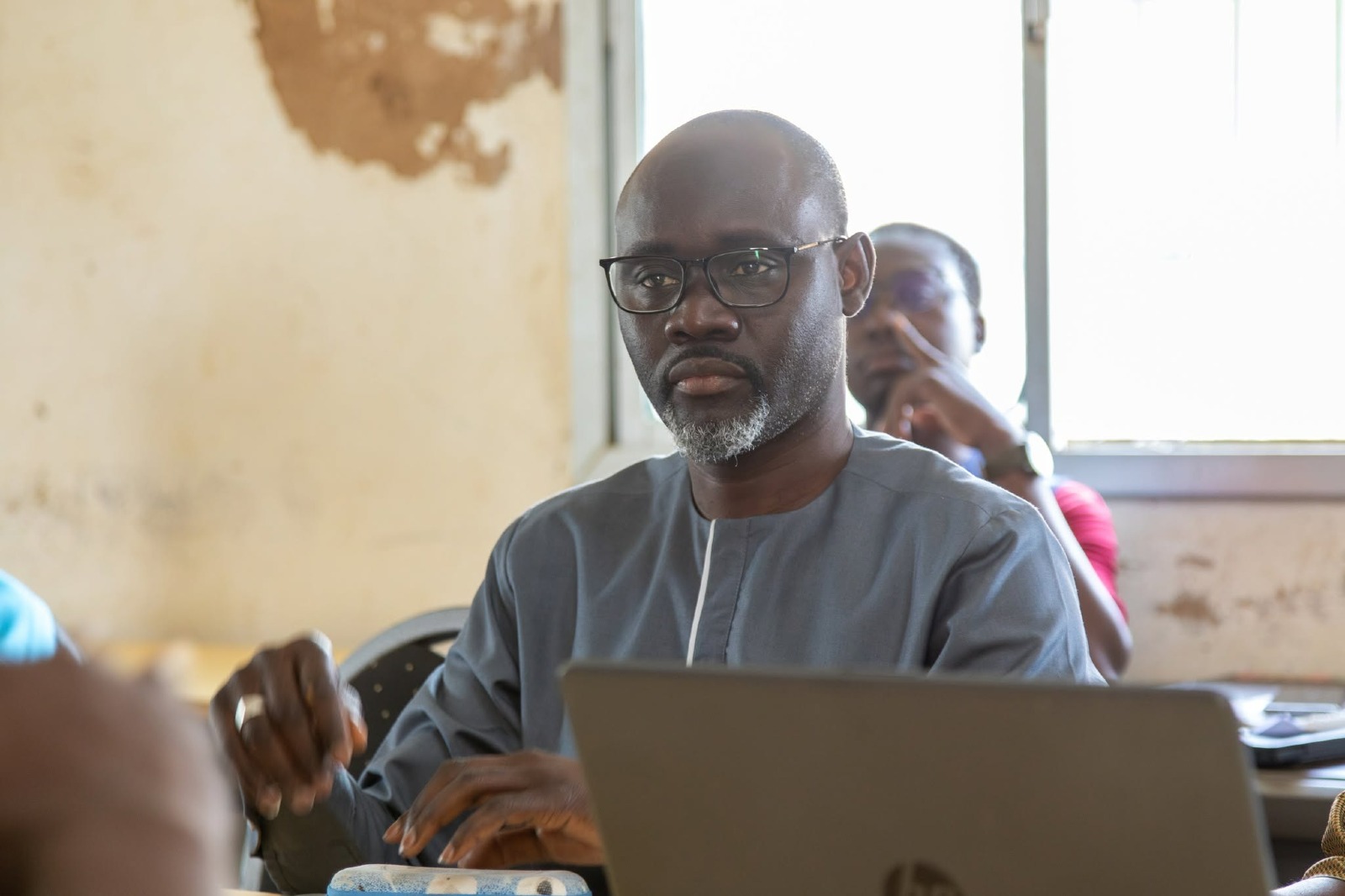
The consultation workshops were held on 4 May 2026 in Médina Foulbé, 5 May in Sadatou and 6 May in Toumboura. They brought together local authorities, technical services, community leaders, women's and youth organisations, civil society representatives and development partners.
The discussions focused on strengthening local governance and creating lasting spaces for dialogue on the challenges facing communities along the Falémé River.
Local dialogue in response to shared challenges
The exploitation of natural resources, climate change, social cohesion and local development are among the issues requiring coordinated responses from communities and local institutions.
In this context, the Municipal Consultation Frameworks are intended to provide inclusive platforms where local stakeholders can discuss their priorities, coordinate initiatives and contribute to decisions affecting their territories.
The workshops also provided an opportunity to clarify the roles and responsibilities of the frameworks, discuss their organisational structures and operating arrangements, and identify community representatives who could help relay information and facilitate engagement at the local level.
Building the foundations for effective consultation
Beyond the establishment of these frameworks, discussions focused on the practical steps required to strengthen their capacity and support their future activities.
The next phase is expected to include capacity-building for members of the newly established consultation frameworks, with a view to improving their ability to facilitate dialogue and contribute to collective action.
The initiative reflects the willingness expressed by local stakeholders to work together towards more resilient, inclusive and cohesive communities in the Bakel department.
The effectiveness of these mechanisms will ultimately depend on their ability to sustain participation, translate discussions into coordinated action and address the concerns of communities living along the Falémé River.